An artist once told me her goal was to show people what the world looked like through her eyes. I told her my goal was just to show people what the world looked like. When Miksang (Mix’ong) photography came into my life, I learned how to do this.
I don’t remember what I thought when I first saw the word, “Miksang”. It was on a calendar at the Toronto Shambhala Centre. If anything, my response was to the word that followed it: photography. I had been photographing things my entire adult life, and the fact that here it was, attached to meditation, got my attention.
I had been “sort of” trained in photography; had classes in photojournalism and some darkroom experience. Darkrooms never excited me, though, because, to my mind, it was a lot of work to create an image that you wished you had captured but hadn’t.
With Miksang, the aim is simply to see and appreciate the world as it is and to express it without interpretation. We want to experience the world before distinctions like “beautiful” and “ugly” get in the way. One of my favourite Miksang images is a carwash floor.
To do this, we develop a calm, centred state of mind. One that is “blank but ready to immediately greet an image when it calls to us.
Let the world make the first move. Our job is to respond. It’s necessary to contact the world on its own terms. We get out of the way and let the universe take a picture of itself. “Let creation be creation,” that’s our motto. Something catches our eye. We call it “the flash of perception.” We don’t create anything, it’s already there.
Miksang is not an attempt at self-expression. It is, in fact, a letting go of “self”. When we stop confronting the world like a big game hunter out to bag a trophy image, we will finally be able to experience the world as it calls out to be seen.
What I’ve learned from this practice is that I am always in the best seat. Everyone is in the best seat. No matter where we are, we are surrounded by images worth seeing. Miksang calls it “ordinary magic,” and it’s everywhere, if we’re awake enough to be there, too.
WHAT IS MIKSANG?
Miksang is a practice of learning how to see clearly, not learning to use photographic techniques.
There are barriers to getting there, though. The greatest barrier is preoccupation with self, and it is the hardest one to break through. Letting go of self is an essential precondition for clear seeing.
Another barrier is the mass of visual stimuli that surrounds us. In order to cope with it all, we block out most of it. Instead of letting everything in, we select a few items and organize them. Then, when order is achieved, we stick with the preconceptions we have established.
A third is the labeling that comes from familiarity. “Oh, don’t pay attention to that. It’s not important.”
But all barriers to seeing are related to the first one: preoccupation with the self. Preoccupation with what we think we need to do to make life easier, simpler and safer.
Miksang is about perception without preconception. It is first thought, best thought. It happens before our beliefs, memories and ideas can get in the way.
When we synchronize eye and mind, we can silence the constant chatter that goes on in our minds. When that happens, we see everything exactly as it is, not how we assume it is. The smashed cola can is not junk on a winter street but a glint of ruby in the ice.
The openness that Miksang develops carries over into those times when we are not carrying a camera, and being present becomes a natural way of living.
We have to be here for the rest of the world to be here.
A CONTEMPLATIVE ART
Contemplative arts synchronize the mind, the eye and the world.
Miksang is a contemplative art. It unifies our experience, our appreciation of that experience, and a desire to express it. It wakes us up to life.
All it asks of us is that we “be there”. We have to be here for the rest of the world to be here.
When we practice a contemplative art, we give up any kind of aggression, whether towards ourselves (that we have to strive to impress people) or towards others (that we must convince them we are special).
There is no internal dialogue here. If we’re lost in thought, our mind is not free to be clear, buoyant and joyful. We identify so much with conceptualizing that we think that’s all the mind can do. But that’s only a small part of it.
STARTING ON THE PATH
“(In our normal approach to the world) we stick labels on all that is; labels that stick once and for all. By these labels we recognize everything but no longer see anything. We know the labels on the bottles but never taste the wine.”
–Frederick Frank, The Zen of Seeing
We begin the path by deconstructing, or “walking back,” our habitual way of seeing. We narrow the focus of our attention to the simplest components of visual perception: color, light, surface and pattern, space.
To start, we open up to color. Color only, not colorful things. Just color. Fire engine red, not a red fire engine.
There is no narrative quality or story line here. The images may look familiar. Mayaybe you can say, “Oh, I think I know what that is!” But it’s not that. It’s just color.
COLOR
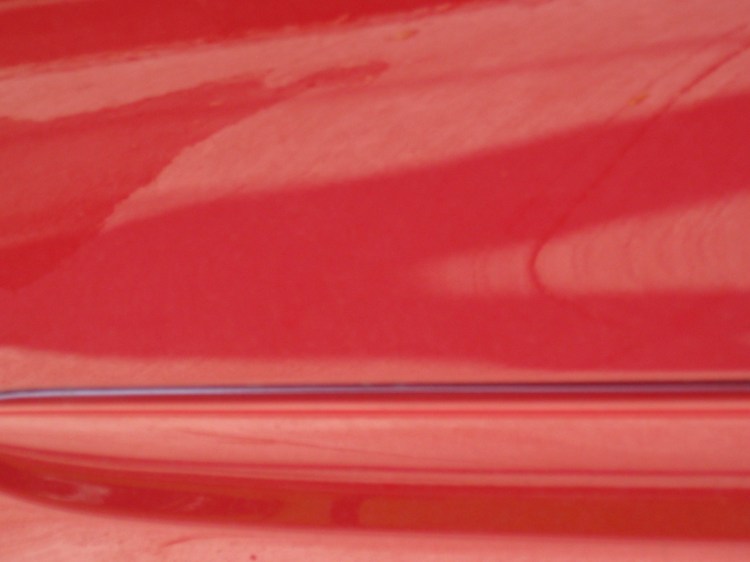

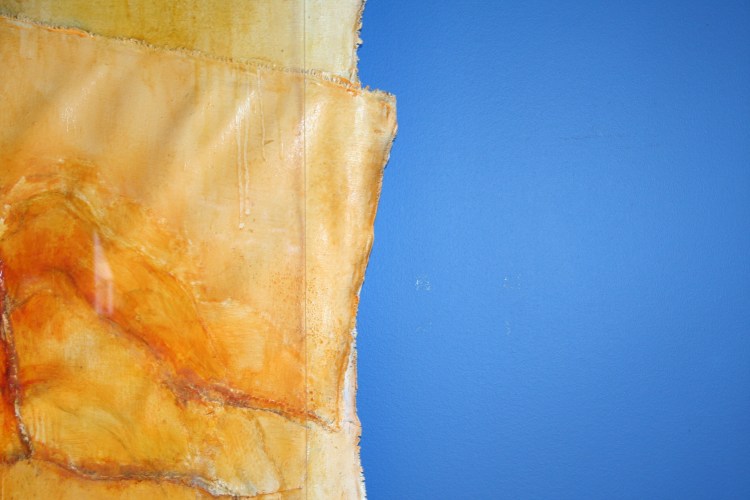
People ask us, “Do you go into a trance while you’re shooting?” No, we think the rest of you are in a trance.
–a miksang teacher
PATTERN
Pattern is everywhere, but it doesn’t necessarily look like a checkered tablecloth.


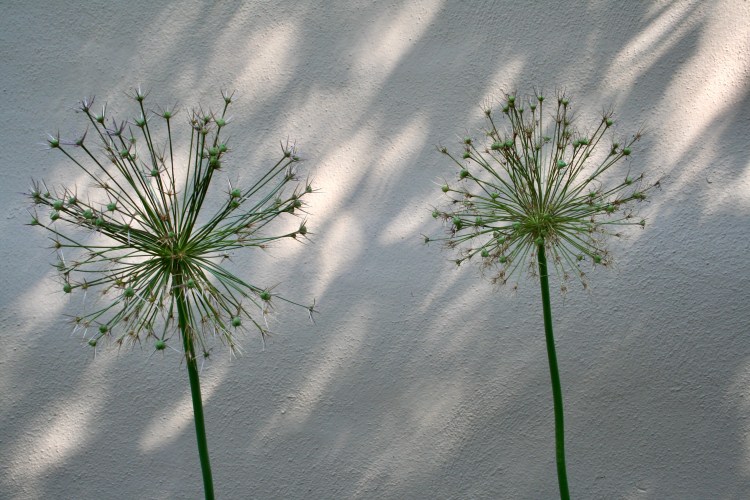

cranberries 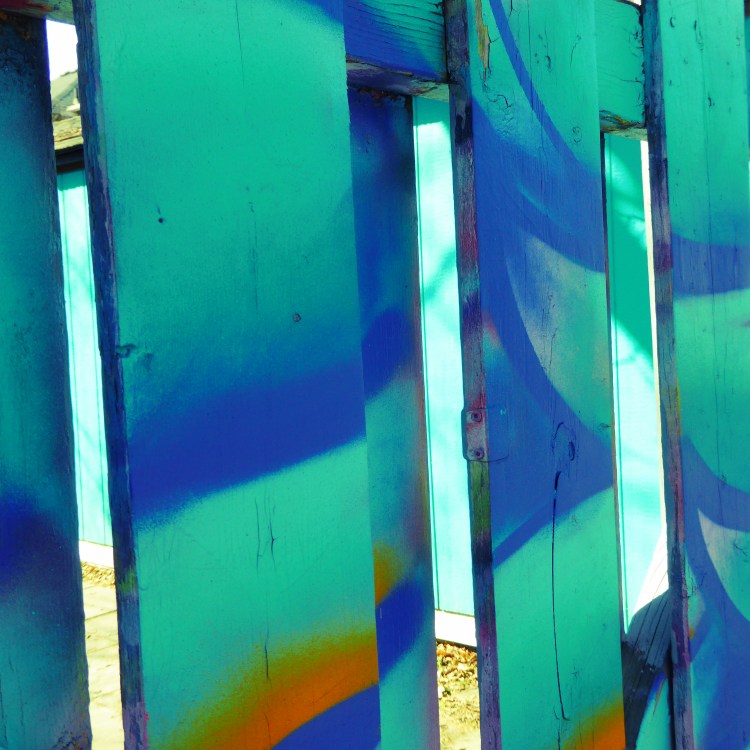
fence 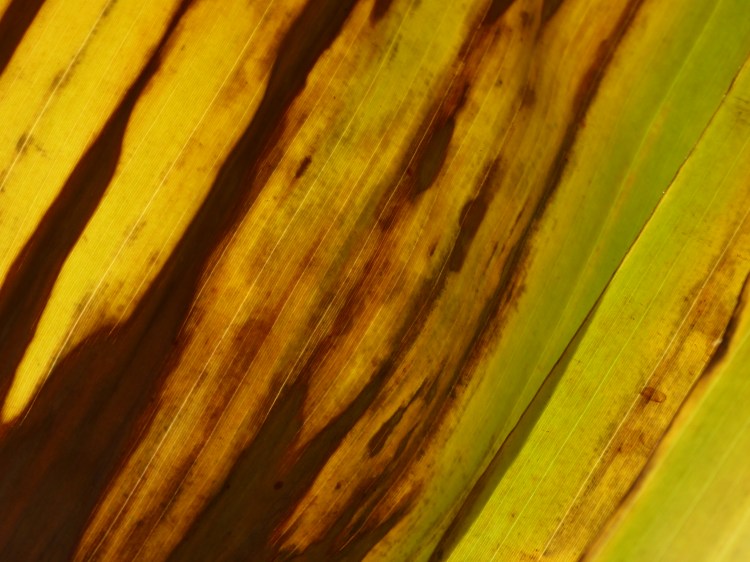
leaf
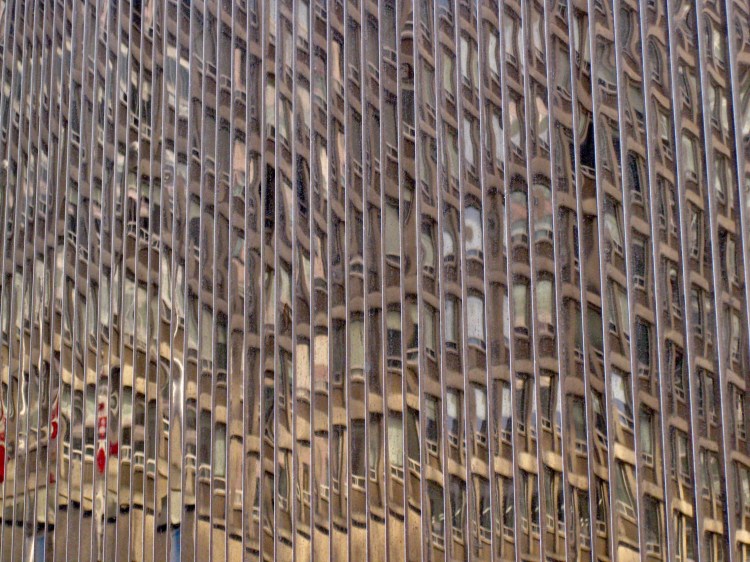
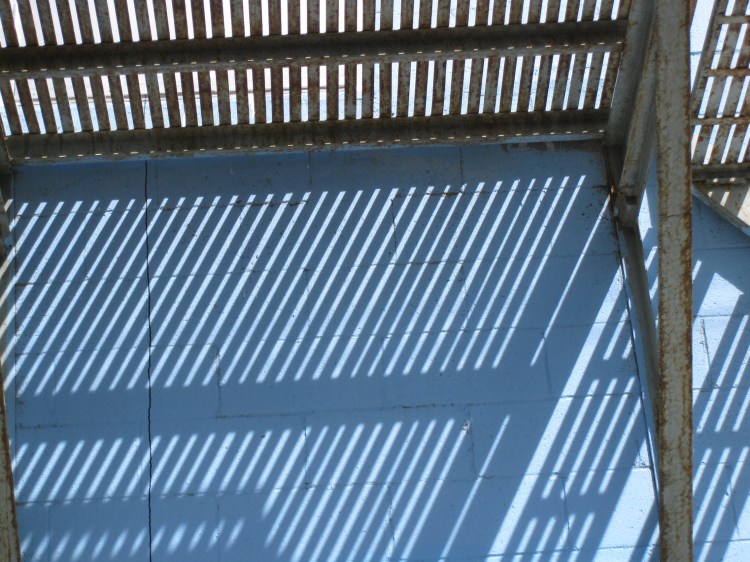
It’s like with Abstract Expressionist art. The question is, “Is that junk, or is that brilliant?
–A Miksang Practitioner
SPACE
The perception of emptiness. Its main quality is openness and overallness. There is nothing to focus on, but, nonetheless, there is a sense of life, not deadness.
Space and mind are very similar. Things arise and manifest in both.

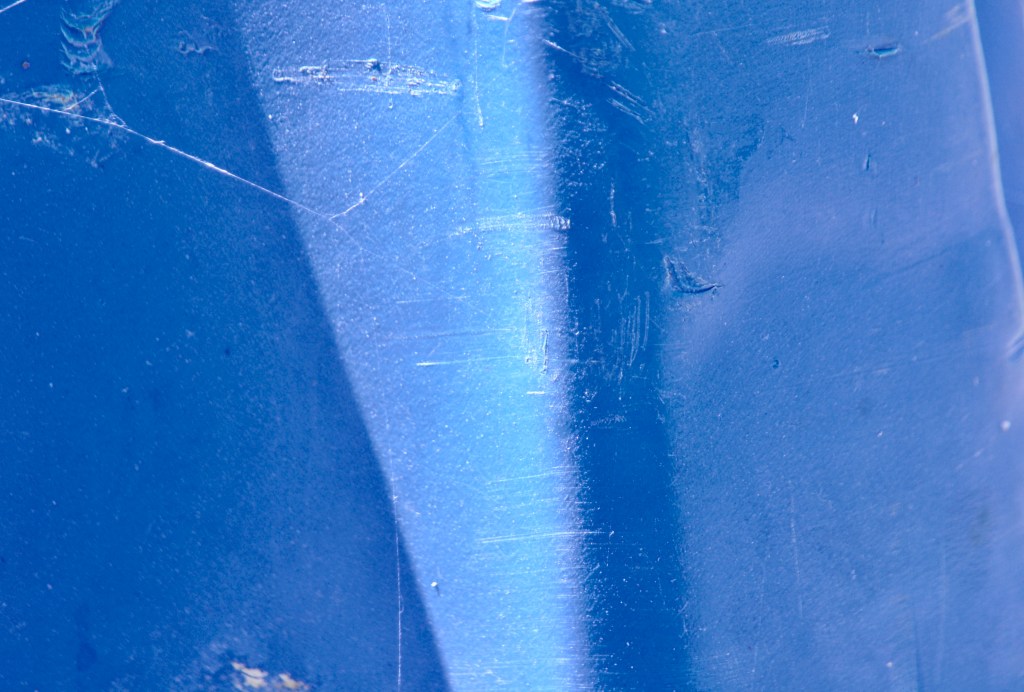

Your sense of place can drift away. You become purely eyes. It’s dangerous. you could walk into a car!
a miksang teacher
DOT IN SPACE
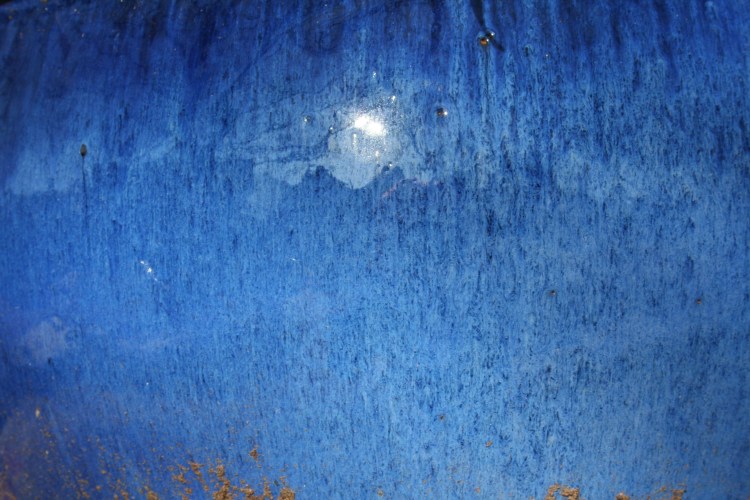


“We look at the world and see what we have learned to believe is there. But as photographers, we must learn to relax our beliefs.”
Aaron suskind, Photography in Writing
ABSOLUTE EYE
Absolute Eye isn’t Miksang, per se.
Miksang is a path where we explore the world free of dualism; free of “I’m here, and you’re there.” It moves us from dualism to contemplation. This move is unsettling, though, because, without I and Thou, we have no ground on which to stand. Dualism gave us that ground.
With Absolute Eye, we are radically free of “things”.
As well, it is not identifiable by the “purity, space, simplicity” of Miksang. It is identified by a sense of energy.
We are now in “freefall” conceptualism. But what got us here was Miksang, which, from the beginning, broke us out of the world of “things” (fruit, dogs, water pitchers) and moved us to the phenomenal world. The world we actually experience.
It’s here that the “Wow, that’s like modern art!” factor appears. Because modern art (Abstract Expressionism) itself is radically free of “things.” Abstract Expressionism explores the world of pure perception, which makes up, but isn’t, “things”.
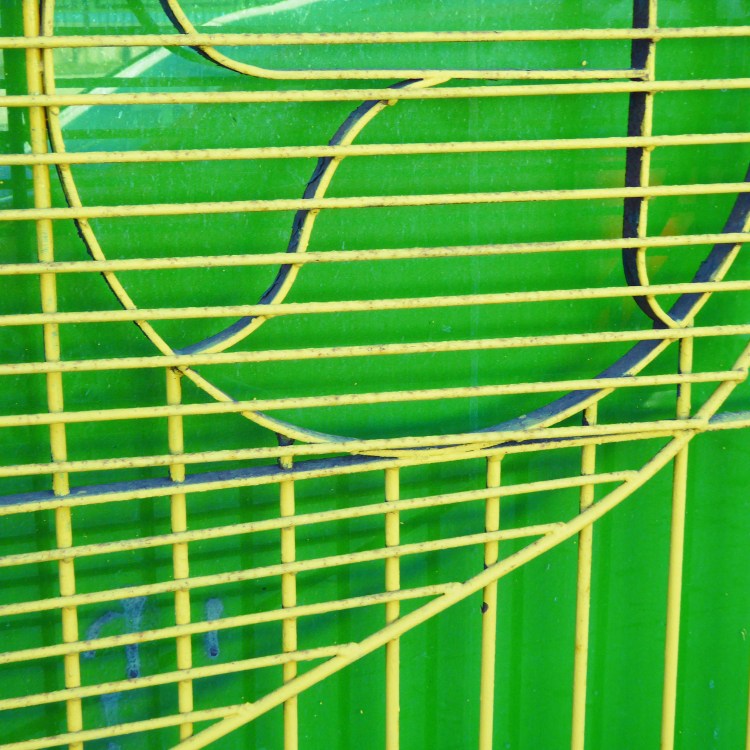
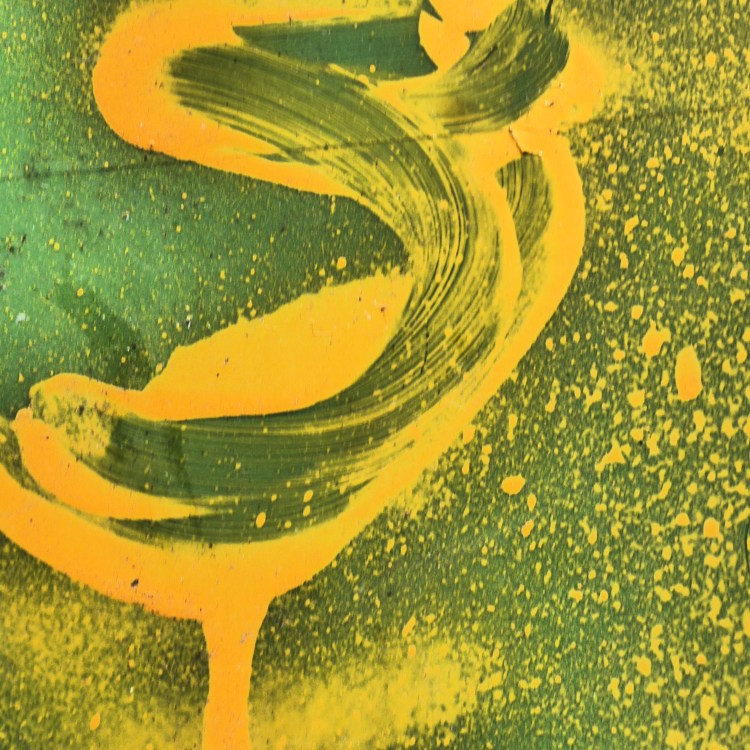
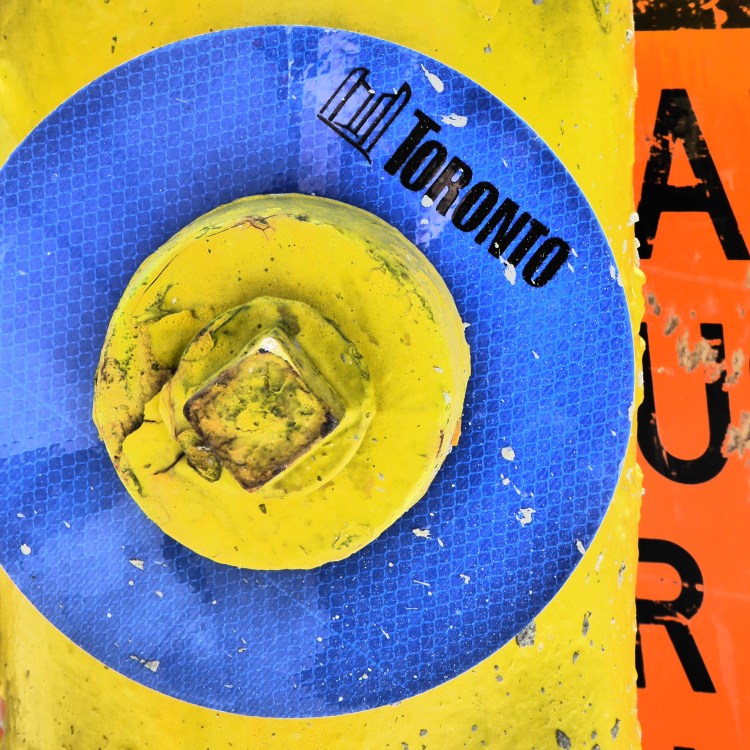
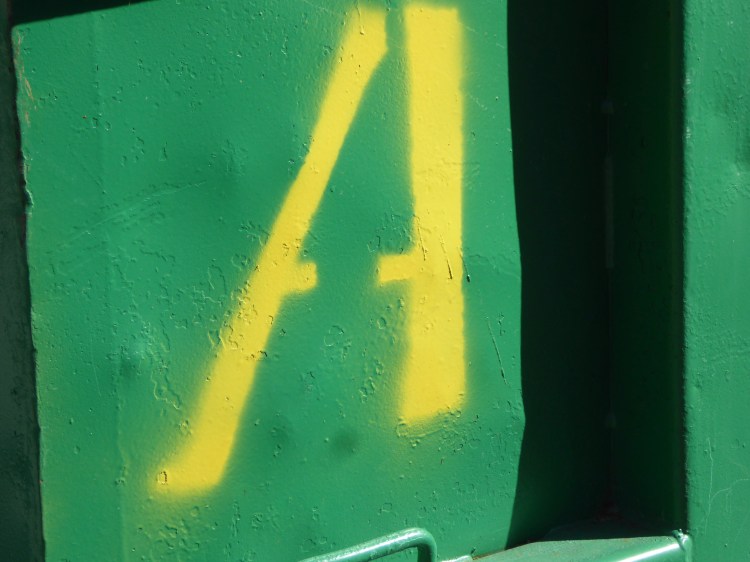


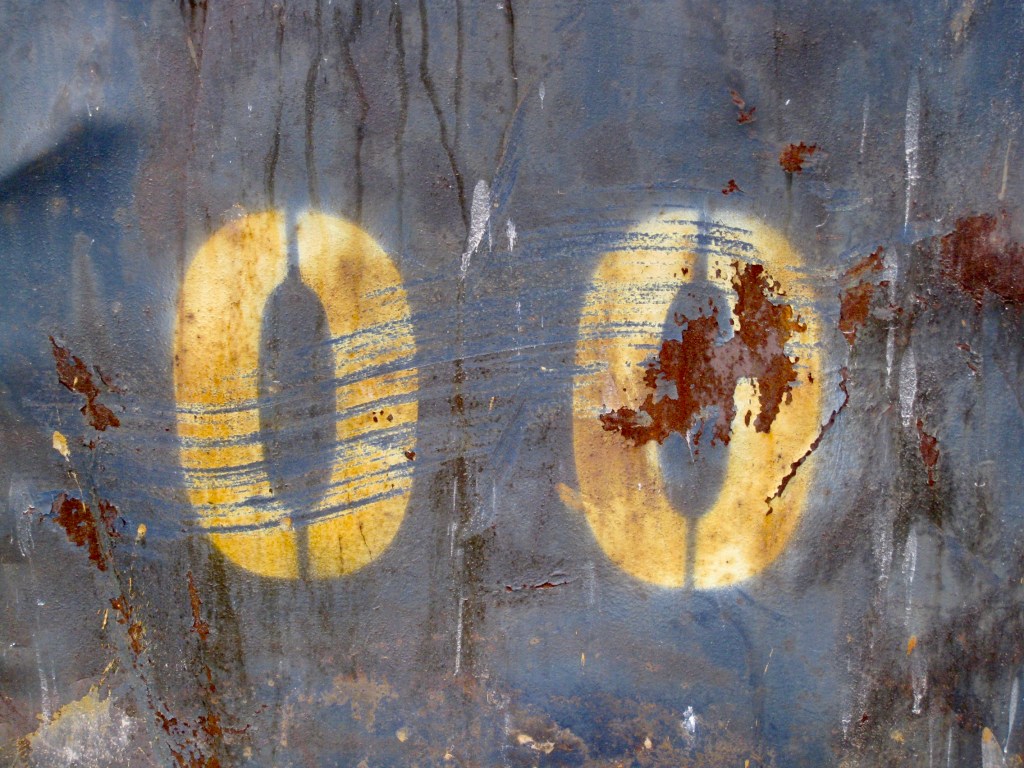

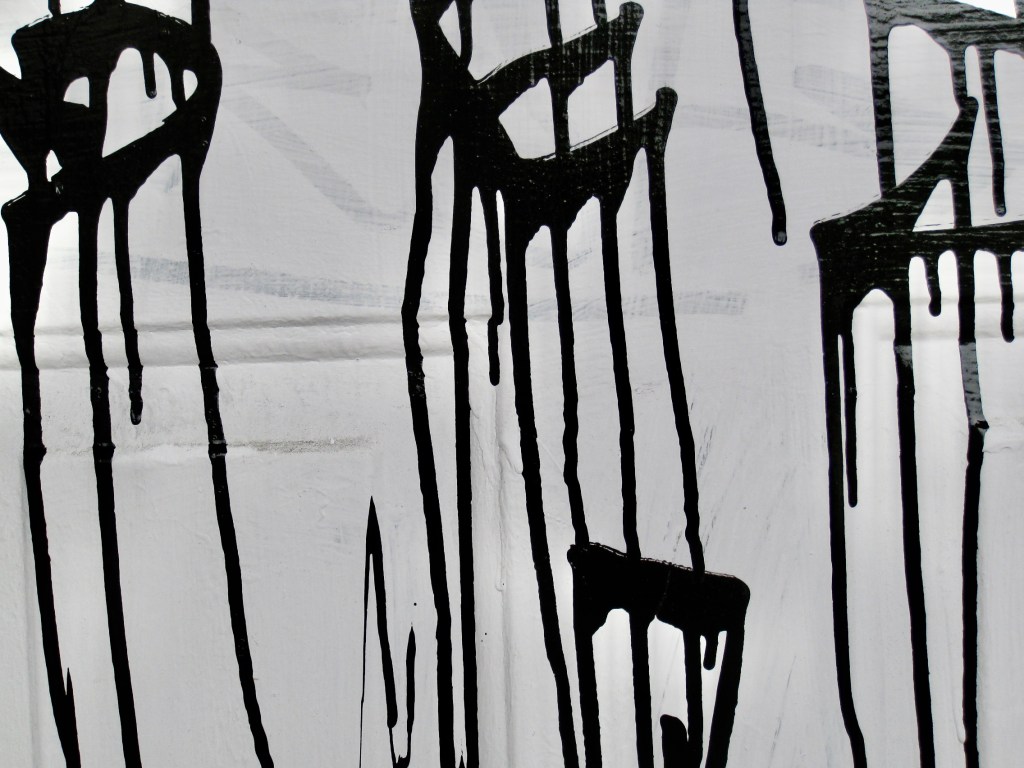

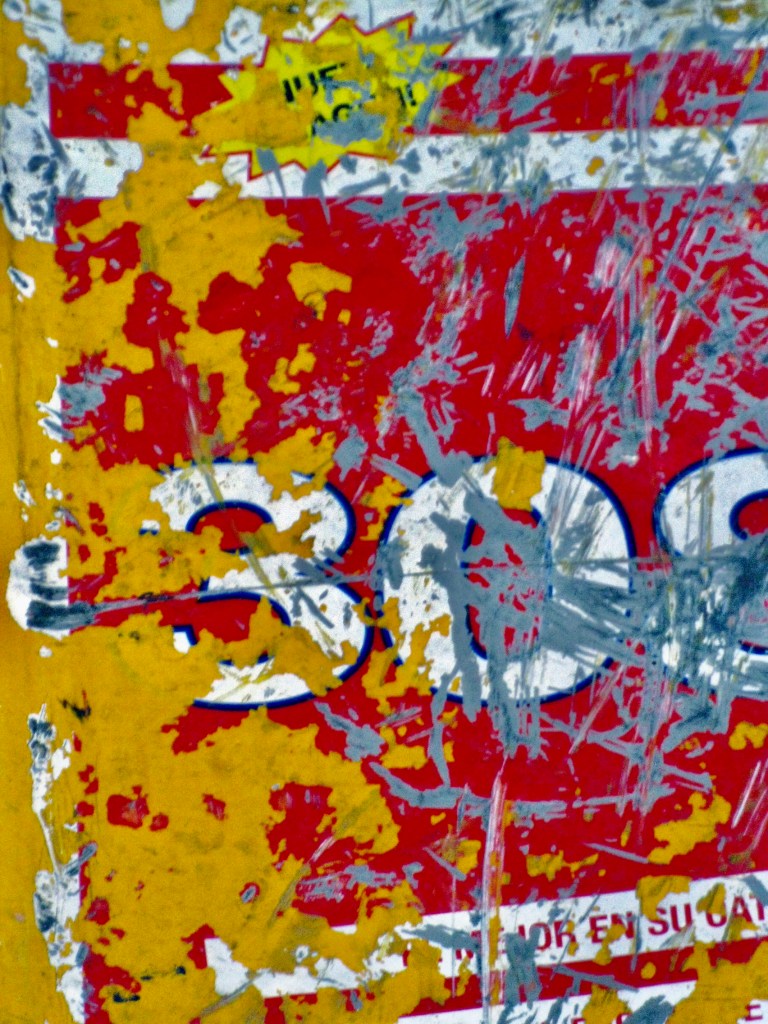

People ask us, “What’s the point of shooting that?” Our answer is, “What’s the point of being alive?”
–John McQuade, one of the developers of Miksang
 MaxineSidranPhotography.ca